people × design
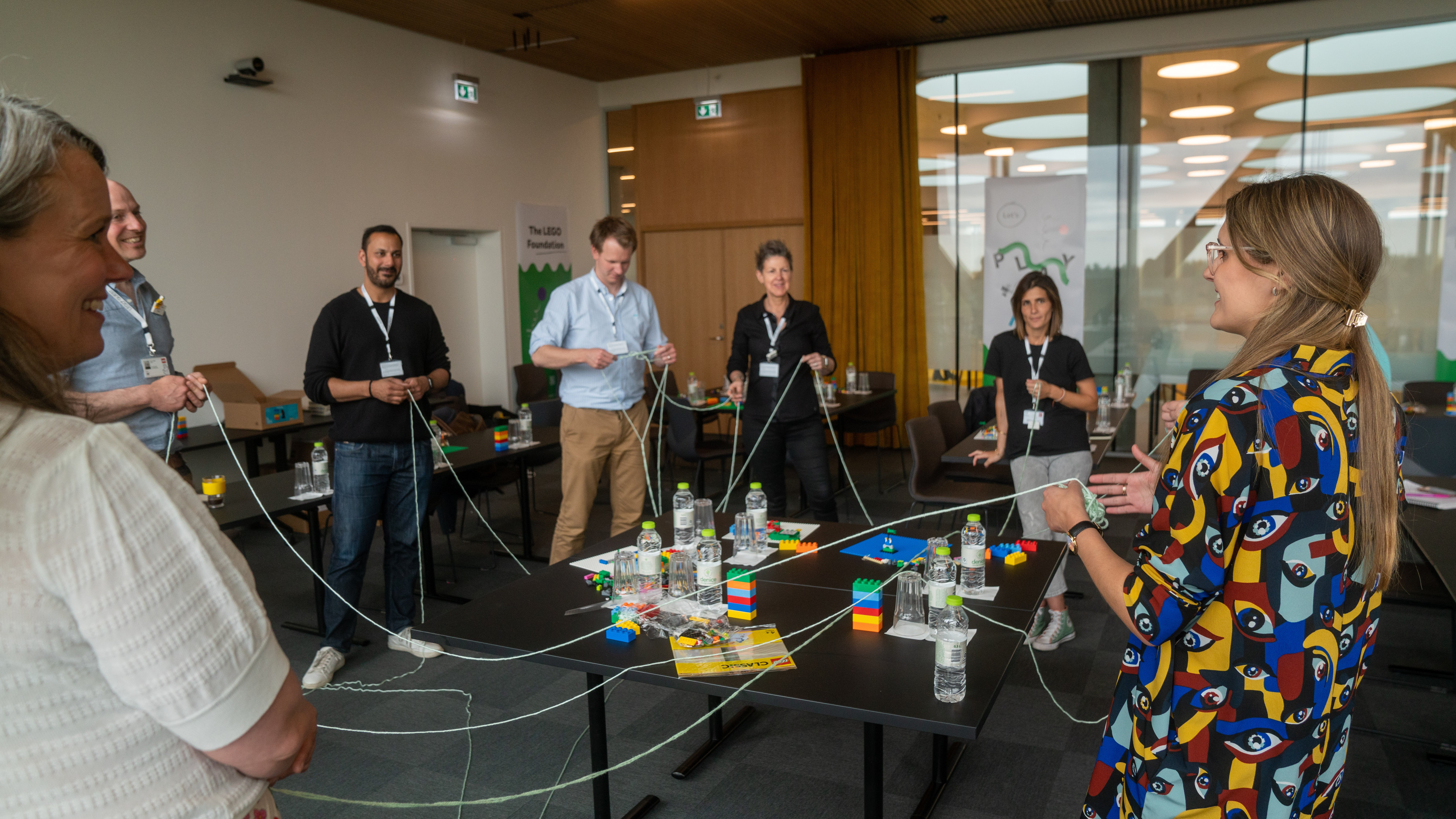
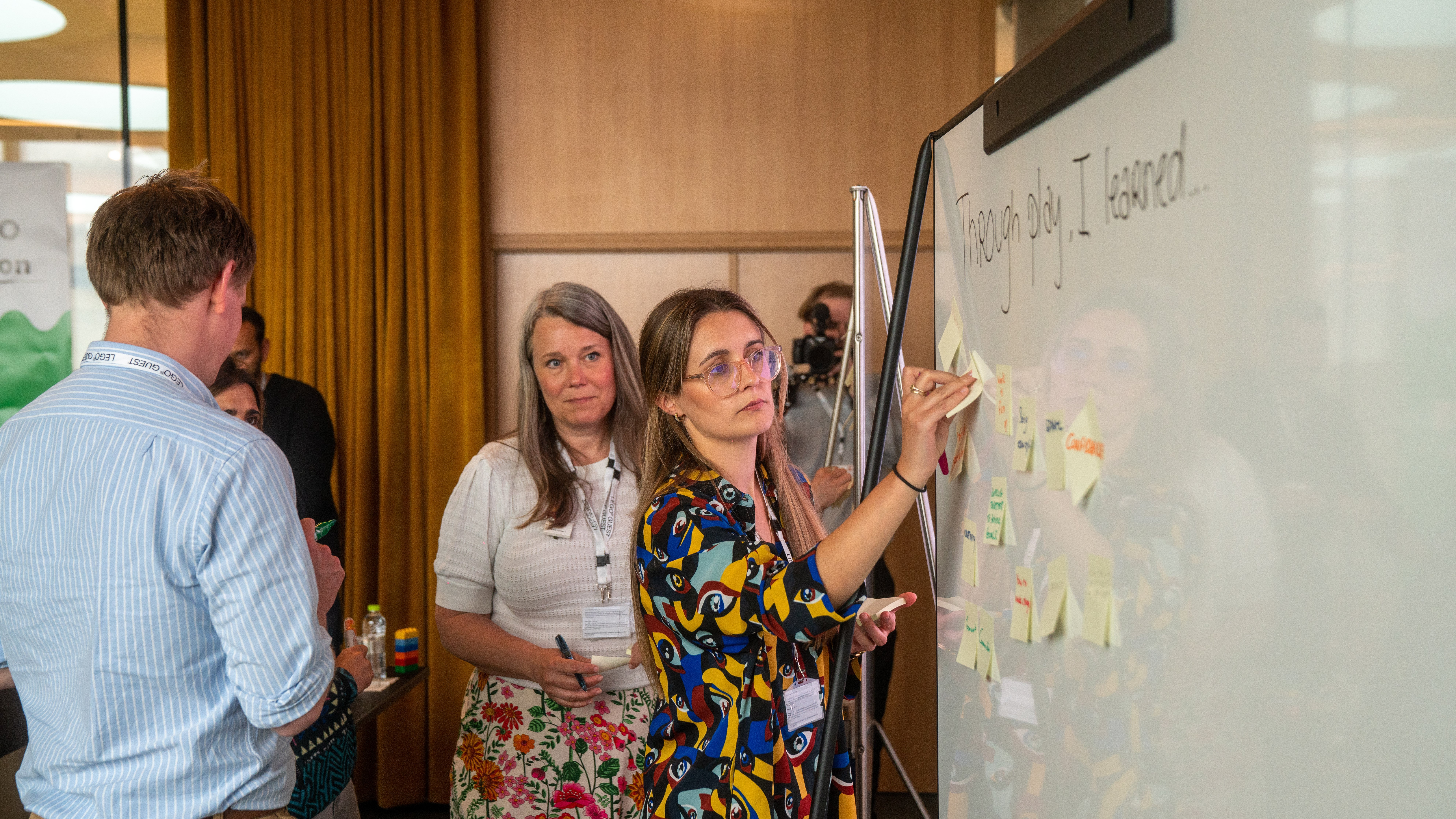
learning experience design and facilitationmaria designed pedagogical training sessions grounded in learning through play, helping organizations move from surface-level play references to developmentally grounded design. she brought deep experience on play-based pedagogies to guide accelerator participants in designing learning experiences grounded in exploration, open-endedness and child development.
jamie delivered hands-on workshops on participatory design and neurodiversity, building organizational capacity for co-creation with neurodivergent communities. facilitation sequences were designed so each organization could adapt approaches to their own product context — not one-size-fits-all delivery, but responsive learning experience design.
people × research
research and measurement of individual learninggarrett designed evidence frameworks to assess organizational learning and capacity development across the 25 participating organizations. psychometric approaches informed how skill development was tracked — not just satisfaction surveys, but rigorous assessment of whether organizations were genuinely building new capabilities.
qualitative research captured the lived experience of organizations navigating the shift toward neurodivergent-centered design.
product × design
tools, curricula, and learning ecosystemsmaria guided organizations in translating play-based learning science into concrete product features — helping Social Cipher strengthen the learning design of their video game platform (resulting in their World Builder feature), supporting Kokoro Kids in grounding their early learning app in developmental evidence, and helping Kahoot embed play-based learning into what became Kahoot Sparks.
jamie's co-design processes ensured products were built with neurodivergent children and families, not just for them — embedding UDL principles into product architecture, interaction patterns, and content design. jamie's ongoing work with Mom's Belief continues to shape their inclusive play toolkit. maria helped Mom's Belief redesign their play facilitation approaches in clinic settings.
both Social Cipher and Kahoot ended up with significantly more open-ended play alternatives integrated into their existing solutions — a concrete, visible shift in product direction.

product × research
evidence for products, programs, and systemsgarrett led evidence reviews assessing whether organizations' products supported the developmental outcomes they claimed — bringing the same rigor to a learning app's claims as to a physical toy's. his work with Little Journey was particularly strong, helping validate their approach to reducing anxiety in children during healthcare interactions.
programme-level evaluation of the $20M accelerator itself: did this model of support actually produce better products for neurodivergent children? MEL frameworks designed for the programme at scale — not just accountability metrics for funders, but continuous feedback loops that informed the next iteration of support.